Why pipe sizing matters in modern domestic heating and hot water systems
Correct pipe sizing is presented as a foundation for reliable, efficient domestic heating and hot water systems. Properly matched pipework supports adequate flow, consistent temperatures, lower energy use and effective operation as household demands and heating technologies change.
As heating technology continues to evolve and household expectations increase, getting the fundamentals of system design right remains essential. For installers working on domestic heating and hot water systems, correct pipe sizing plays an important role in achieving reliable performance, efficient operation and consistent temperatures.
While boilers, cylinders, radiators, showers and other outlets may attract more attention, the pipework connecting these components is fundamental to how effectively heat and hot water are delivered around the home. Getting the balance right is important: undersized pipes can restrict flow, while oversized pipes can increase installation costs, take up more space and slow down water delivery.
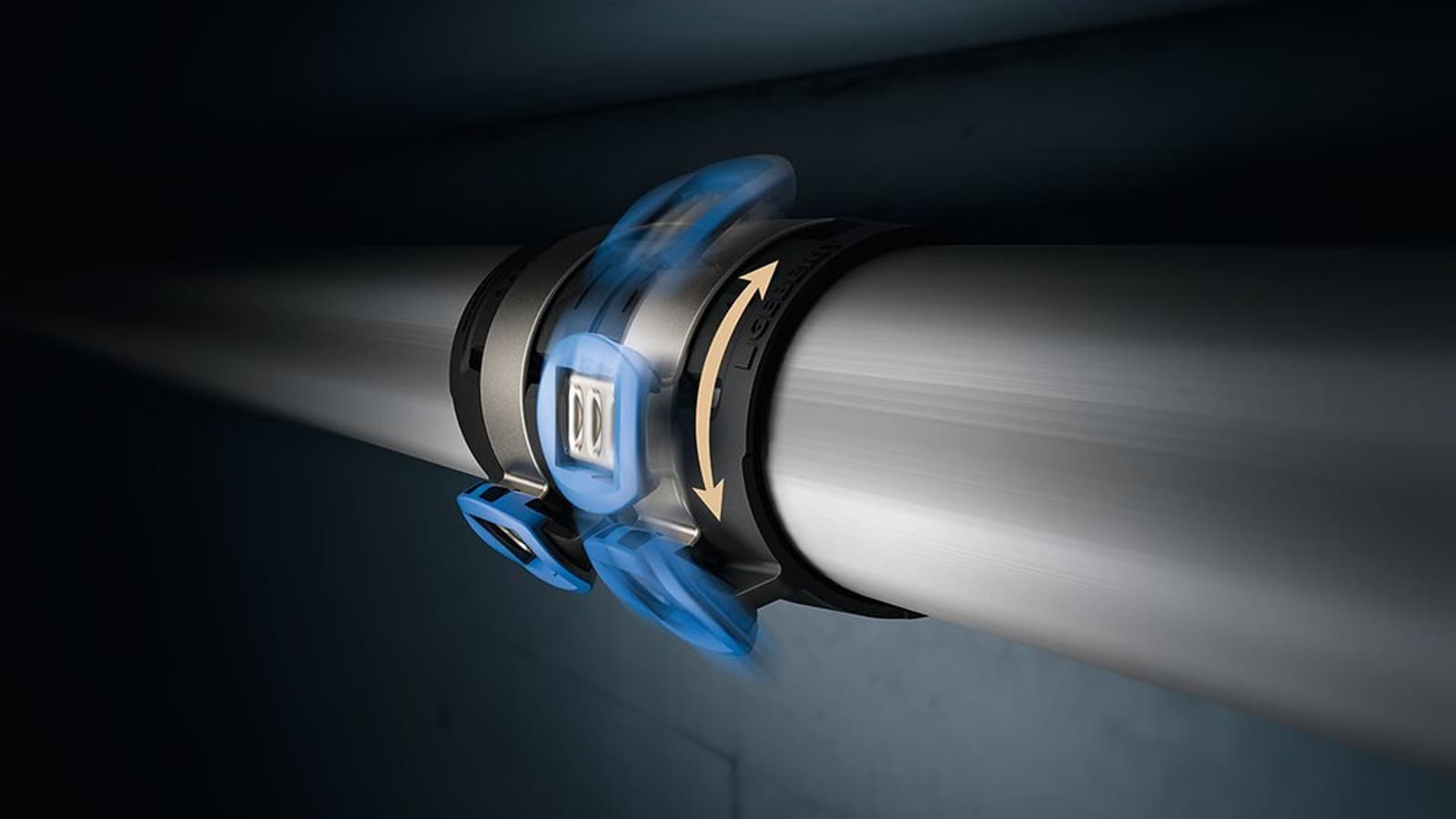
Why flow rates matter for modern heating systems
One factor making pipe sizing increasingly important is the move towards lower flow temperature heating systems. As new technologies are adopted to improve energy efficiency and reduce carbon emissions, boilers and heating systems are increasingly designed to operate at lower temperatures.
These systems rely more heavily on sufficient flow rates to deliver the required heat output. If pipework is incorrectly sized, it may not deliver water at the required temperature, potentially leading to longer warm-up times and uneven heating throughout the property. When a heating system is not operating efficiently, the impact can ultimately be felt by the occupier.
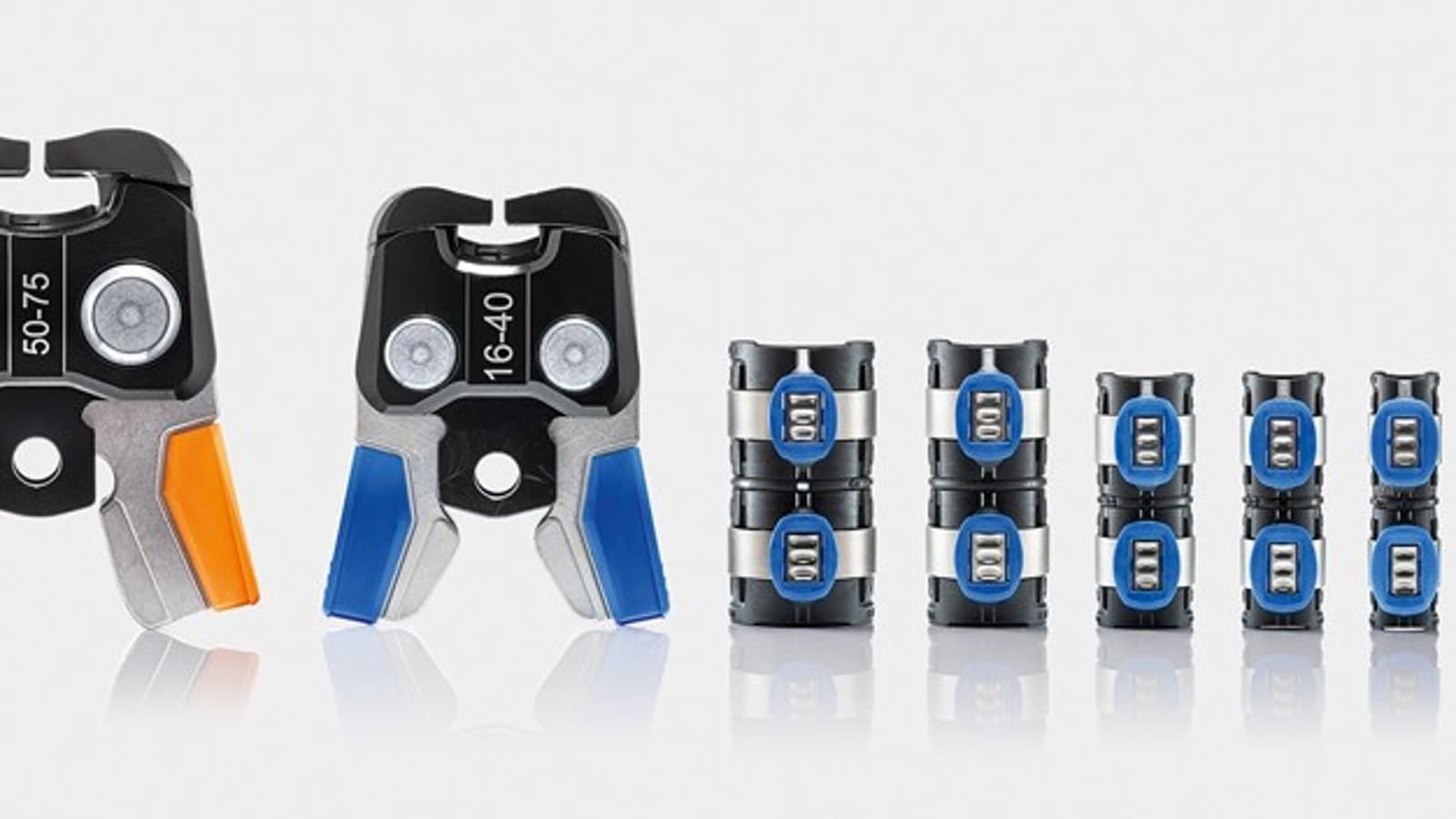
Meeting changing household demand
Expectations of domestic hot water systems have also changed. New and refurbished homes can feature multiple bathrooms, powerful showers and several appliances that may be used at the same time, placing greater demands on the water system.
Incorrectly sized pipework can restrict flow to outlets, resulting in reduced pressure or fluctuating temperatures. This can be noticeable when, for example, water pressure drops while a shower is running or a washing machine is filling. For installers, the knock-on effect can include callbacks and dissatisfied customers, even where the boiler itself is functioning correctly.
Assessing the typical demand within a property, including how many outlets are likely to be used simultaneously, can help ensure the piping system is designed to meet those requirements.
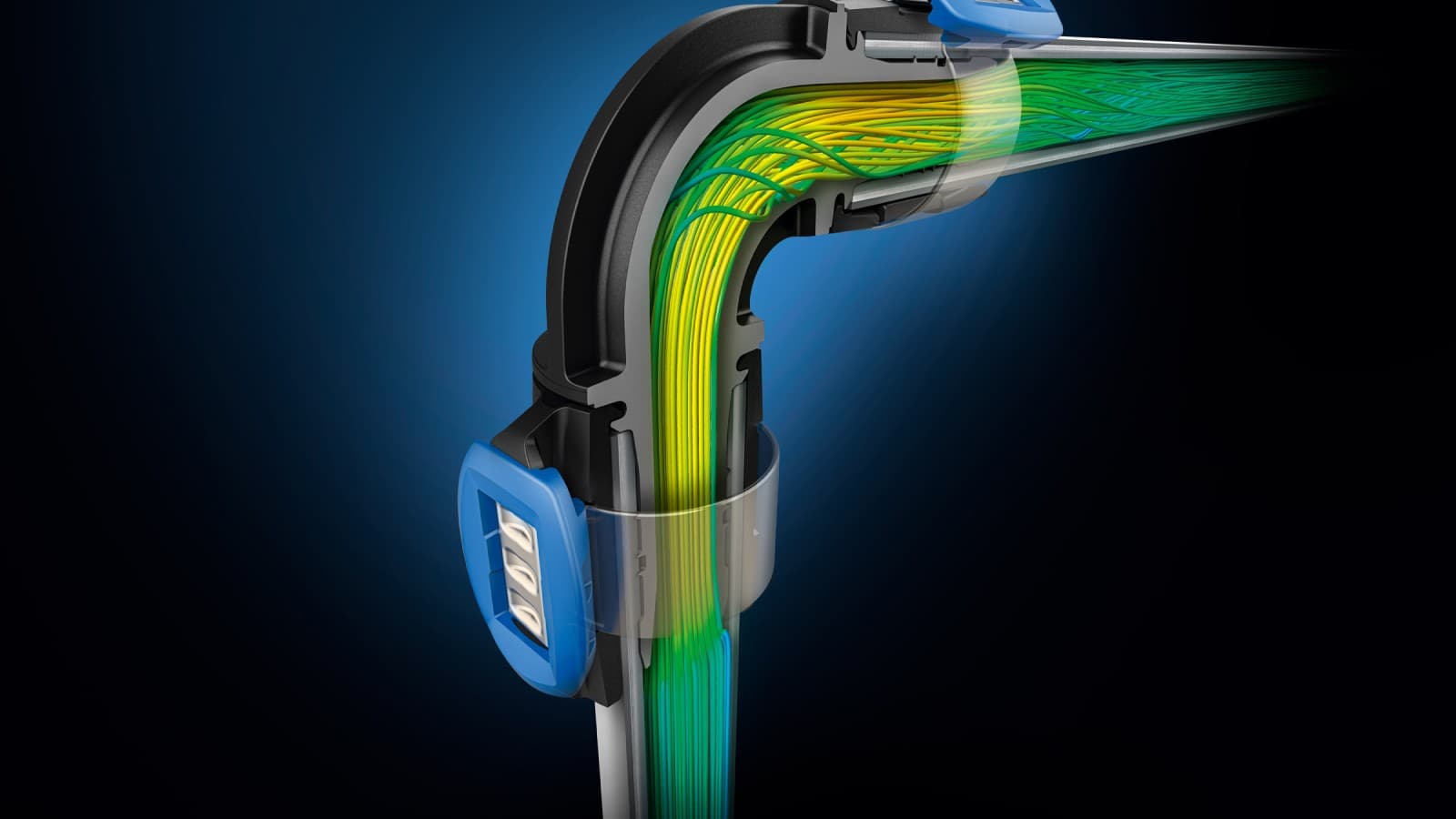
Supporting efficiency and reducing noise
Pipe sizing also has an impact on energy efficiency and system longevity. Undersized pipes can create greater resistance, meaning pumps have to work harder to circulate water. This can increase energy consumption and place additional strain on system components over time.
A well-designed piping system allows water to circulate with minimal resistance, helping to reduce energy use and support component lifespan. Material selection is also important. Flow-optimised multilayer piping systems such as Geberit FlowFit can help reduce pressure losses and may allow for smaller pipe diameters.
Installers should also consider noise, particularly on high-specification projects. Higher flow velocities caused by undersized pipes can create avoidable water noise within a system.
Getting pipework design right
Calculating heat loss for the property is a key starting point. Combined with heat demand, this helps determine the required heating output and informs decisions around flow rates and pipe diameters. Installers can then plan pipe routes and sizes to support efficient operation while minimising unnecessary complexity and bends.
Material choice, internal diameter and the roughness of the internal surface can all affect flow. Flow-optimised products can help maintain flow rates and reduce pressure drops, while ensuring fittings and system components are compatible with the pipework helps maintain consistent performance.
Good planning during the design stage can also make installation simpler. Clear layouts, appropriate pipe sizing and considered routing can reduce the risk of redesigns on site and help ensure the system performs as intended.
As heating technology continues to develop, the fundamentals of high-level system design remain just as important. When it comes to domestic heating and hot water systems, getting those basics right starts with the pipework.
Press enquiries
WAA Chosen
Wrens Court
58 Victoria Road
Sutton Coldfield
West Midlands
B72 1SY
Email: geberit@waachosen.co.uk
Tel: 0121 321 1411
For urgent press enquiries only please contact:
Jo Medlicott: 07788 9100 59