Optimising fuel transfer systems through smarter piping
Reliablefuel transfer depends on treating piping as a complete system rather than focusing only on individual component durability. Smarter installation methods, lifecycle support, and adaptable design can help maintain safety, compliance, and performance in demanding environments.
Fuel and energy infrastructure operates in some of the most highly regulated and high-risk industrial environments, where system failure is not an option. As pressure grows to minimise downtime and meet evolving fuel demands, the way pipework systems are designed, installed and supported is becoming increasingly important.
For engineers working across power generation, transport infrastructure and fuel storage, the focus is shifting beyond the durability of individual components towards the performance and reliability of the complete system.
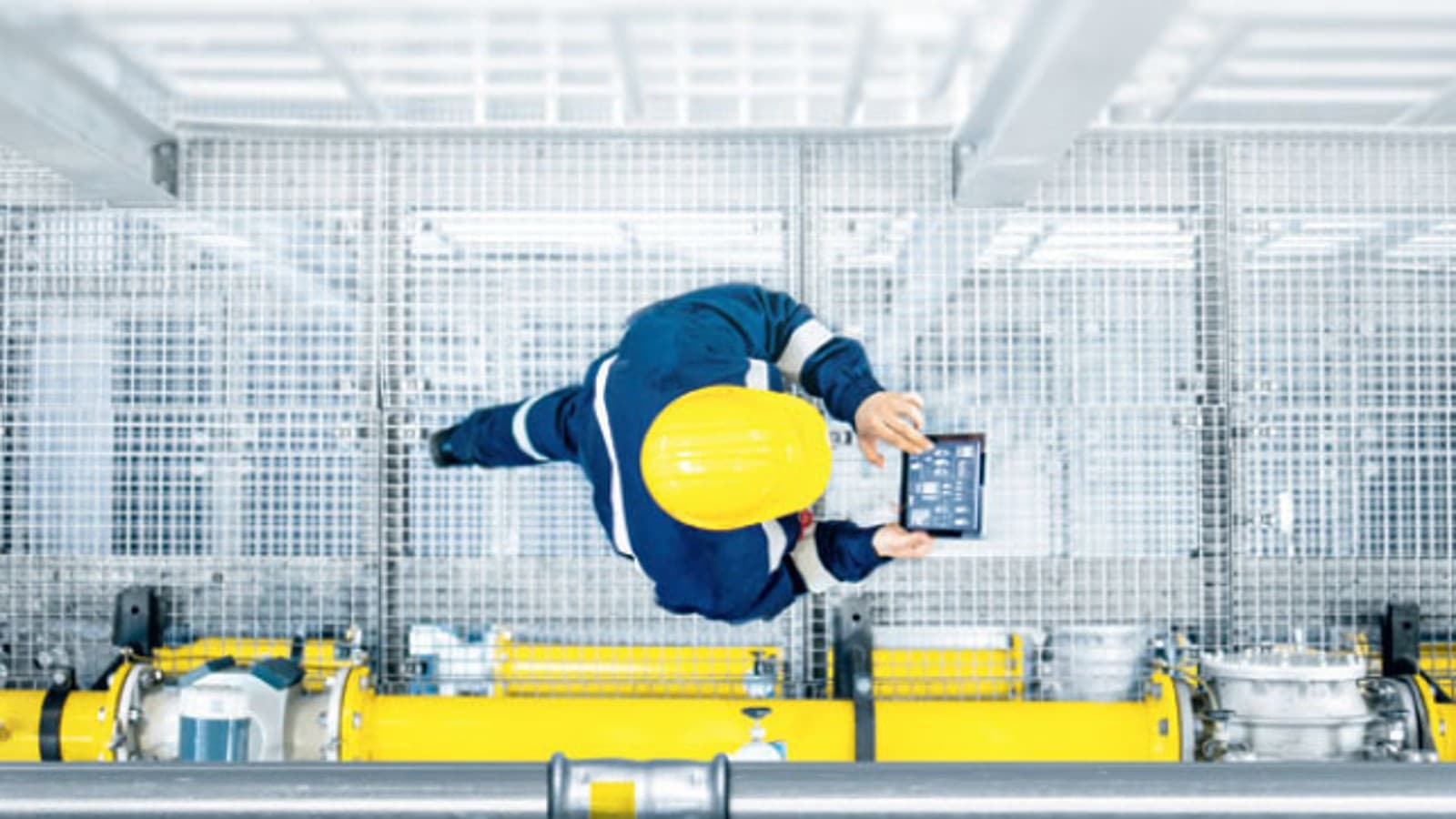
Improving fuel transfer system installation
Durability has traditionally been a key benchmark when specifying piping systems for fuel handling. However, even robust materials can be undermined by inconsistent jointing methods or poor installation standards.
Stricter regulations, evolving environmental standards and the rising cost of downtime are placing greater scrutiny on every stage of a system’s lifecycle. At the same time, increasing material and labour costs mean engineers are looking for installation methods that improve efficiency and consistency without compromising quality, reliability or safety.
Modern press-fit systems offer one way to address these demands. Solutions such as Geberit Mapress eliminate many of the variables associated with traditional joining techniques, including welding.
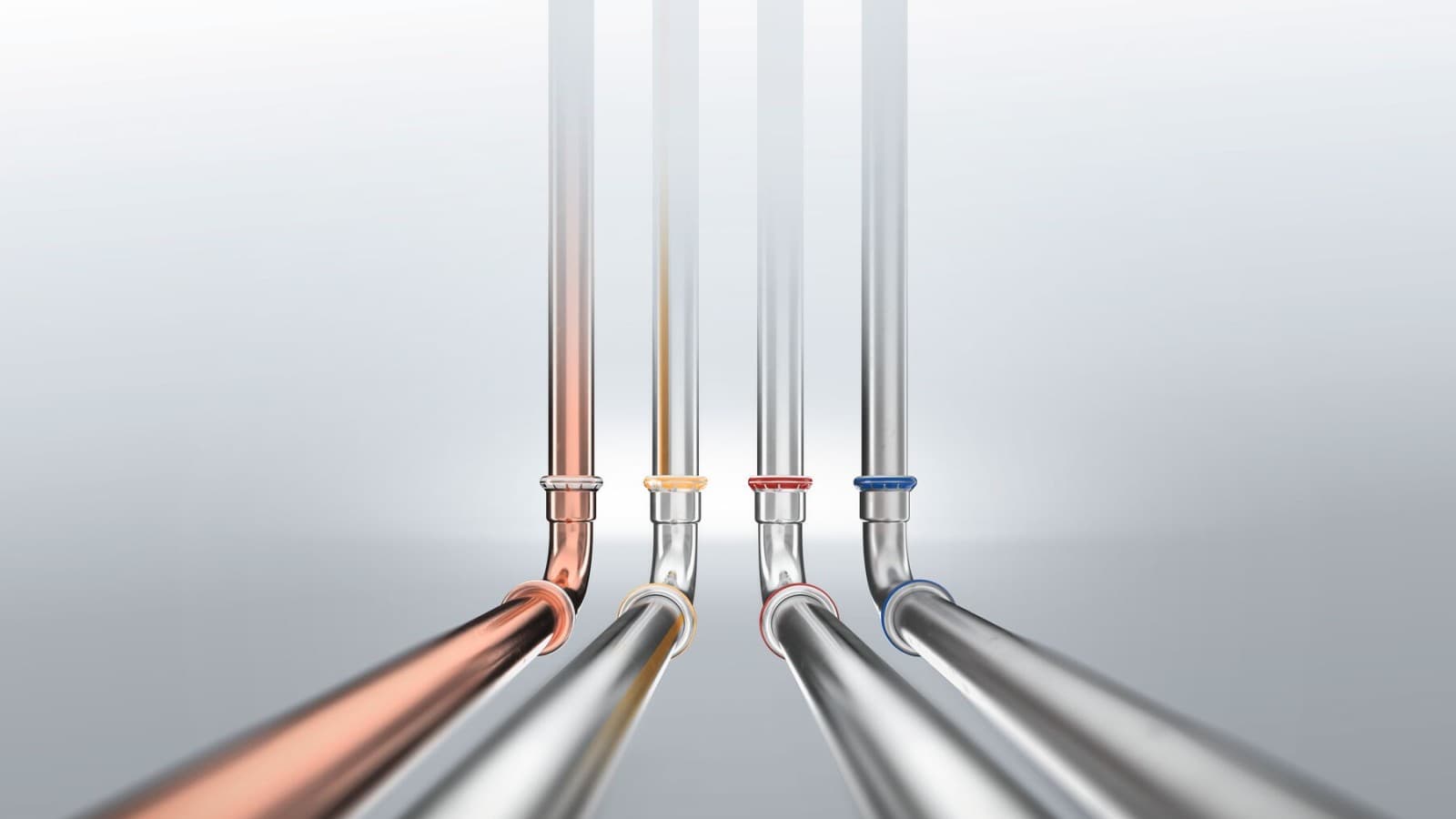
The benefits of press-fit piping systems
For fuel transfer systems, removing the need for hot works can bring significant benefits. In hazardous environments where flammable fuels and vapours may be present, avoiding welding can reduce risk and simplify safety requirements.
Press-fit connections also provide a consistent joint quality, helping to reduce the potential for human error and support long-term durability. Their simplicity and repeatability can be particularly valuable for installers working under time pressure or in challenging site conditions.
Installation speed is another advantage. Completing work more quickly can reduce the time workers are exposed to potential hazards, shorten project timelines and minimise disruption to ongoing operations. In high-risk environments, this is not simply an efficiency benefit; it can contribute to improved safety and cost control.
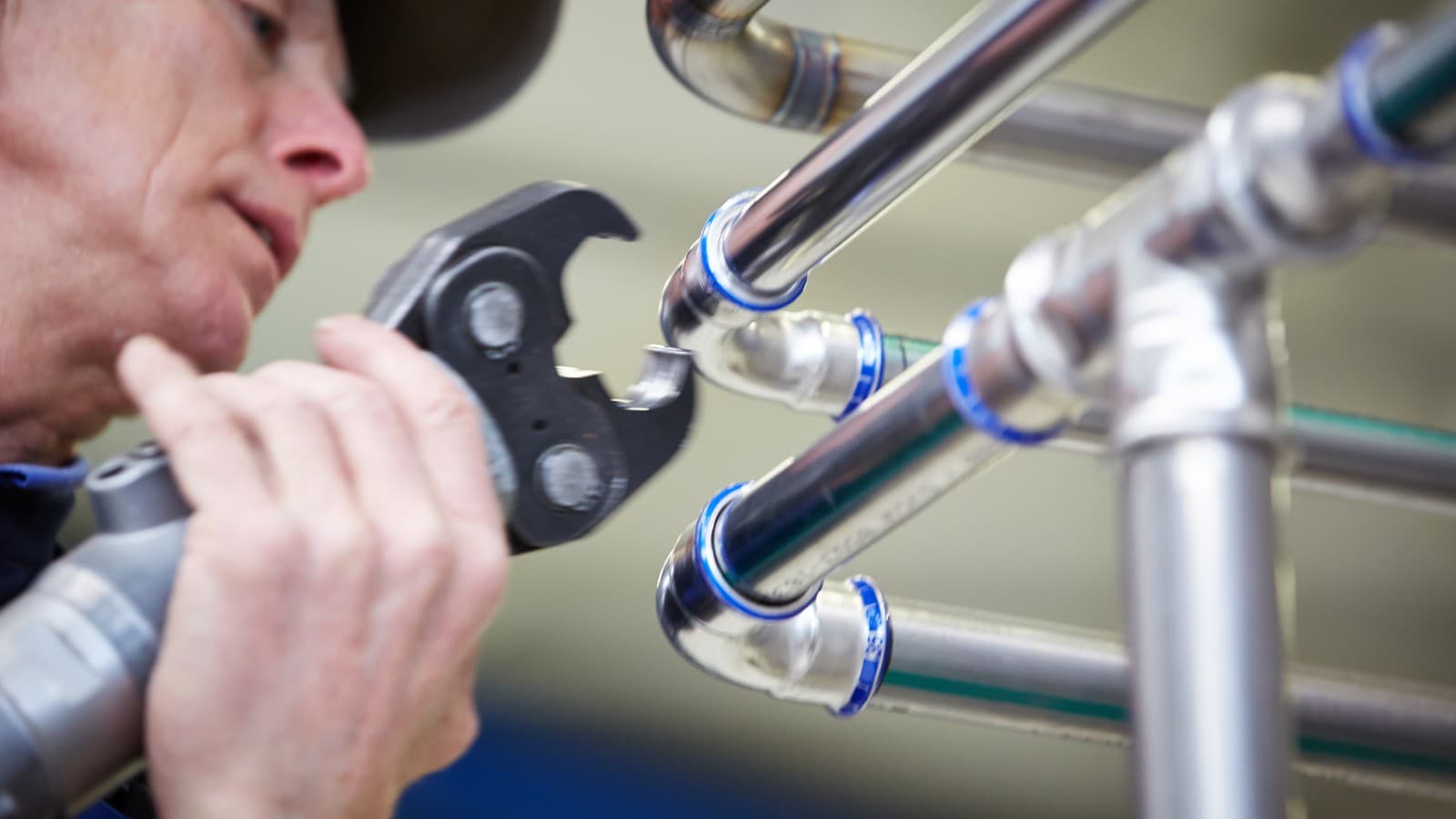
Supporting fuel piping from design to installation
Product innovation alone cannot address every challenge. As fuel systems become more complex and regulatory expectations evolve, specialist technical support is increasingly important throughout the project lifecycle.
At the design and specification stage, manufacturers can work with engineers and consultants to ensure systems are suitable for their intended application, including different fuel types and operating conditions. Material selection, corrosion resistance and chemical compatibility all need to be considered to support long-term system integrity.
During installation, technical guidance, training and quality assurance can help ensure systems are installed safely and reliably. This is particularly important for fuel applications, where even minor deviations can have implications for safety and compliance.
Post-installation support and system validation can then help ensure installations continue to meet required standards and perform as expected.
Futureproofing fuel transfer systems
As fuel types evolve, including the development of alternative and lower-carbon fuels, piping systems will need to become increasingly adaptable. This will place new demands on materials, connection technologies and system design, reinforcing the need for collaboration between manufacturers, engineers and contractors.
Solutions that reduce installation time, minimise waste and environmental risk, and improve long-term reliability will become increasingly valuable.
Ultimately, safe and reliable fuel transfer depends on more than individual components. Taking a whole-system approach, supported by innovative products and end-to-end technical expertise, can help the industry meet changing requirements while maintaining the safety, compliance and reliability demanded by these critical environments.
Press enquiries
WAA Chosen
Wrens Court
58 Victoria Road
Sutton Coldfield
West Midlands
B72 1SY
Email: geberit@waachosen.co.uk
Tel: 0121 321 1411
For urgent press enquiries only please contact:
Jo Medlicott: 07788 9100 59