Bathroom Compliance in Social Housing Coordinated design, installation, maintenance and asset management.
Housing providers, manufacturers and contractors must create durable, accessible bathrooms that protect tenant safety and remain compliant throughout their lifecycle
Compliance is critical when it comes to bathroom design in social housing. With increasing regulatory scrutiny and growing expectations around tenant safety and wellbeing, housing providers need bathrooms that are fit for purpose at handover and remain compliant throughout their lifecycle. This places a shared responsibility on manufacturers, contractors and asset managers to deliver cost-effective, durable and easy-to-maintain solutions.
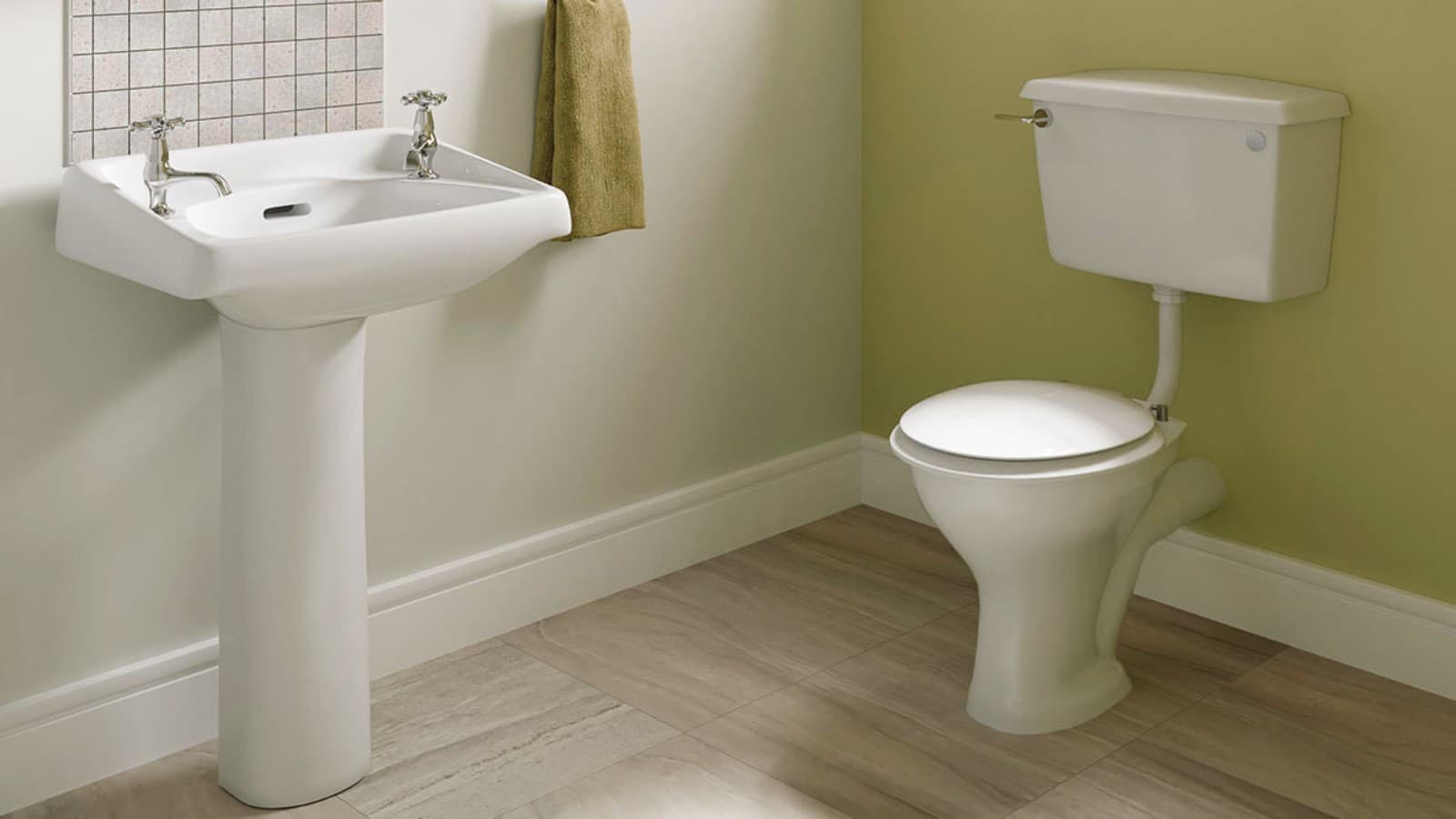
The fundamentals of bathroom compliance fall under accessibility guidance and regulations, particularly Building Regulations Approved Document M. In practice, this often involves Doc M packs – pre-designed accessible bathroom solutions that support consistent layouts, correct positioning of fixtures and appropriate features such as grab rails. These are especially important in social housing, helping meet the needs of individual tenants, including those with reduced mobility, while driving value through consistent design.
Compliance extends beyond accessibility. Bathrooms must also meet obligations under the Housing Health and Safety Rating System (HHSRS) and the Homes (Fitness for Human Habitation) Act. This includes identifying and mitigating risks such as slips and trips, poor ventilation, damp and mould, and scalding hazards. Bathroom design therefore needs to consider non-slip flooring, adequate mechanical ventilation, safe water temperature controls and durable finishes that can withstand heavy use.
Achieving compliance at installation is essential, but maintaining it over time is the greater challenge for housing providers. Bathrooms contain a range of appliances and components, including WCs, sinks, showers and fans, each with its own lifespan and maintenance requirements.
A reactive approach, where issues are addressed only when reported by tenants, may appear cost-effective in the short term, but can lead to higher long-term costs and increased compliance risk. A faulty extractor fan, for example, if left unreported and unrepaired, could result in persistent damp and mould, potentially breaching regulatory standards and impacting tenant health, as well as creating additional remediation and repair costs.
A more proactive, data-driven approach is now widely recognised as best practice. Regular stock condition surveys and digital asset management systems can help housing providers build a detailed picture of their housing stock, identify bathrooms approaching the end of their useful life, spot faults earlier and prioritise high-risk properties. Planned replacements or upgrades can then be scheduled in a controlled and cost-efficient manner, reducing the likelihood of hazards arising and helping demonstrate that legal obligations are being met.
For manufacturers, this places greater emphasis on designing products that support long-term compliance. Durability remains key, alongside ease of maintenance, including easy-clean ceramics, wall-hung WCs and toilet flush innovation. Components that can be quickly repaired or replaced can also help minimise disruption for tenants.
Standardisation has an important role to play too. Complete bathroom solutions such as pre-configured Doc M packs can help ensure installations are compliant from the outset, reduce installation errors and provide consistency across housing stock. This can make ongoing maintenance and replacement more straightforward for asset managers, while also supporting installation efficiencies.
Ultimately, bathroom compliance in social housing is not a one-off task. It requires a holistic approach that integrates design, installation, maintenance and asset management, helping housing providers create bathrooms that remain compliant while meeting tenants’ needs safely and effectively over time.
Press enquiries
WAA Chosen
Wrens Court
58 Victoria Road
Sutton Coldfield
West Midlands
B72 1SY
Email: geberit@waachosen.co.uk
Tel: 0121 321 1411
For urgent press enquiries only please contact:
Jo Medlicott: 07788 9100 59