Geberit energy retaining valve ERV Prevent heat loss
Keeping energy usage in check
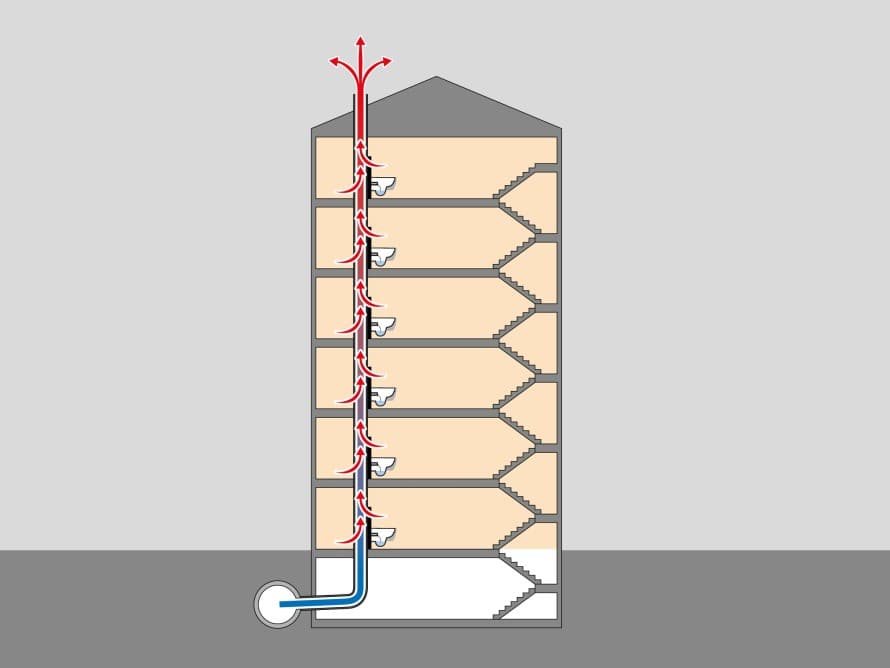
Energy-efficient construction is now standard practice. However, even modern buildings lose energy unnecessarily in a place that’s often overlooked: via the main vent of the discharge stack, which runs openly out of the roof. In everyday operation, flushing toilets or using several sanitary appliances at the same time causes fluctuating positive and negative pressure in the drainage system, which need to be reliably compensated for to protect traps and prevent sewer gases from entering.
Although traditional stack vent handles this task, it causes continuous heat loss.
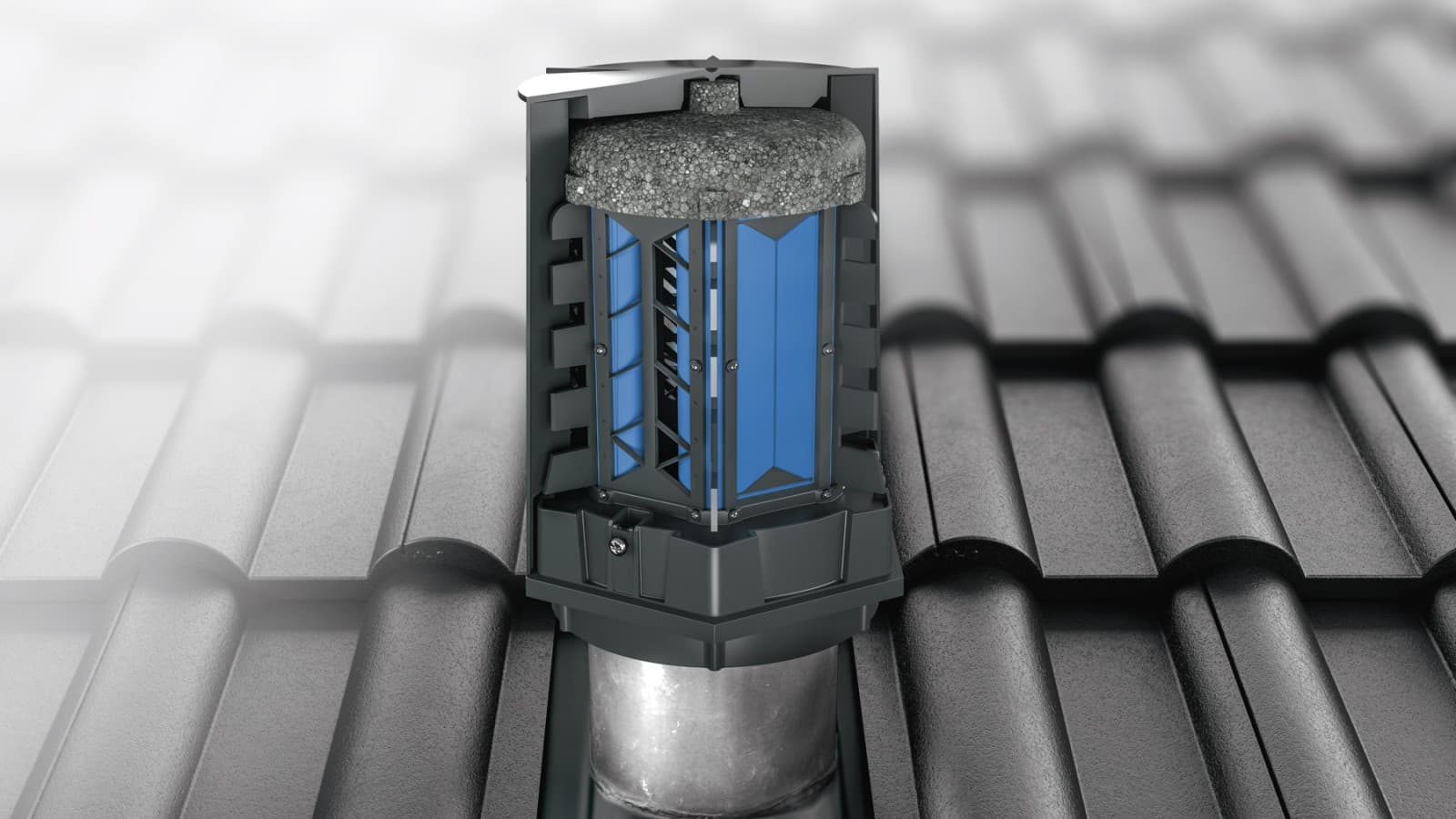
This is exactly where the Geberit energy retaining valve ERV comes in, ensuring safe, demand-based pressure equalisation but remaining closed during normal operation. This prevents unnecessary energy losses and increases the building’s energy efficiency – without compromising on functional reliability.
Why choose the Geberit energy retaining valve?

Saves energy
The valve prevents heat loss via the roof, helping improve the energy efficiency of the building.

Reliable operation
Thanks to its patented diaphragm system, it only opens when necessary to equalise pressure.

Maintenance-free
No maintenance is required thanks to the integrated insect screen and excellent frost resistance.

Prevents odours from escaping
The energy retaining valve prevents sewer odours from escaping near terraces and balconies.
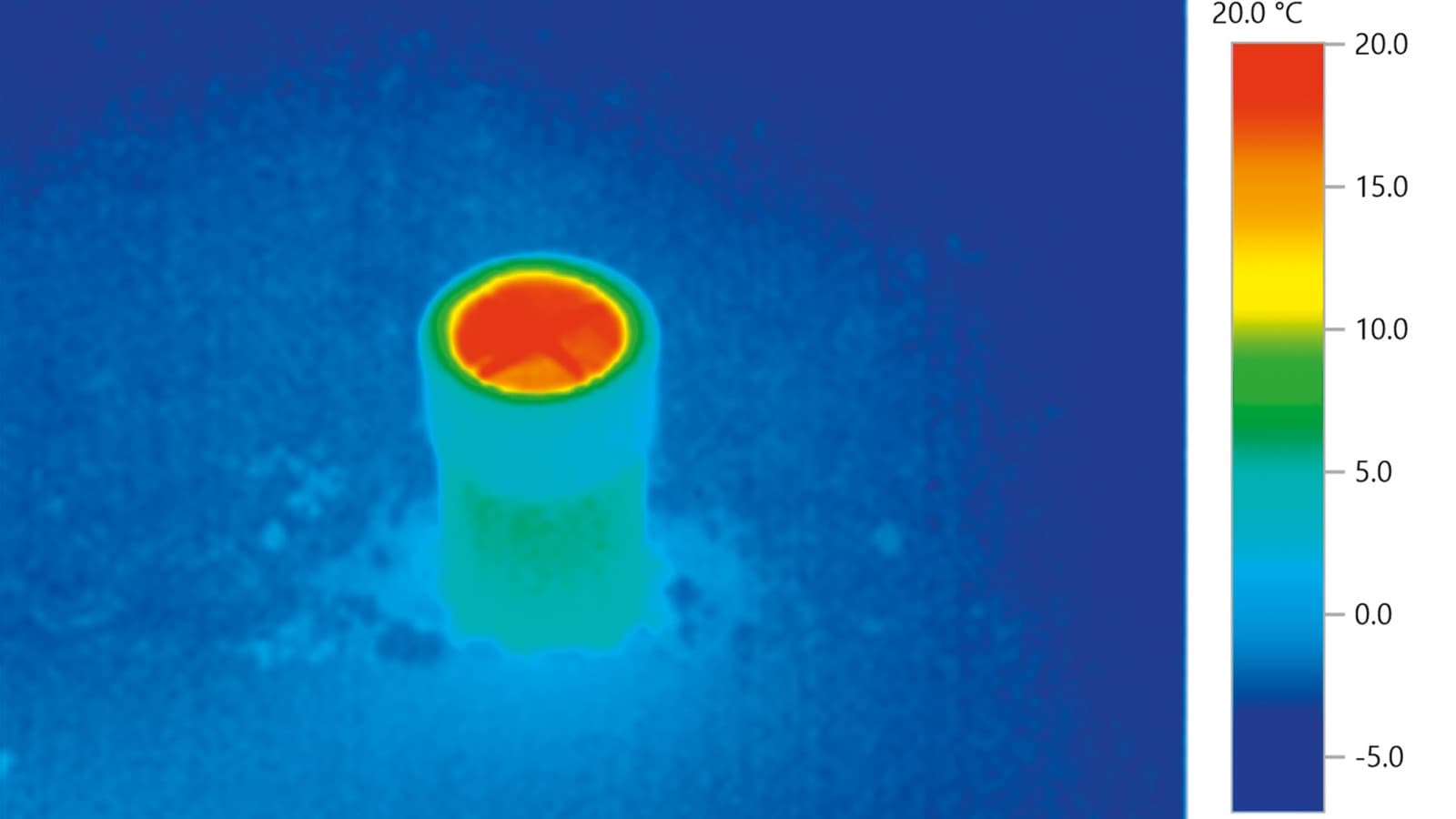
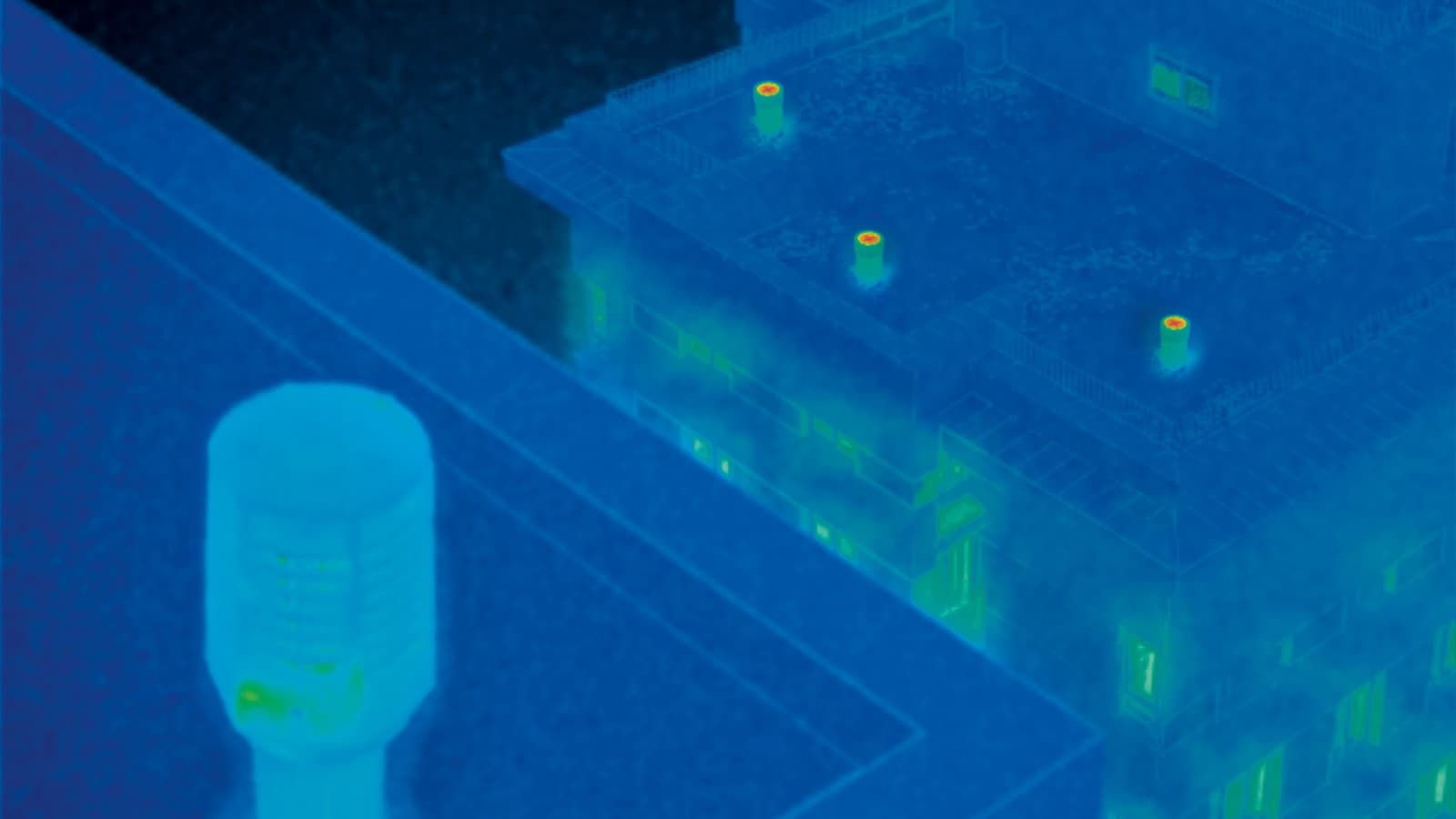
Visible heat loss without an energy retaining valve Study
Working on behalf of the Swiss Federal Office of Energy (SFOE), the School of Engineering and Architecture at Lucerne University conducted a study on heat loss from functional openings in building shells.
Findings from this study show that heat is lost via ventilation pipes in roofs.
The Geberit energy retaining valve ERV can prevent unnecessary energy loss.
Here’s how the Geberit energy retaining valve ERV works
Heat loss from the roof

Venting pipes as required and preventing unpleasant odours
The Geberit energy retaining valve ERV is installed in the main vent of the stack that runs above the roof. Thanks to its patented magnetic diaphragm system, the valve opens automatically in both directions only when needed to safely compensate for negative or positive pressure. The valve remains closed when there is no pressure difference, significantly reducing heat loss from the building.
Excess pressure from the sewage system can escape safely. In the event of negative pressure, air flows into the stack in a controlled manner. The valve therefore meets the requirements of standard SN 592000.
When closed, the valve also prevents unpleasant sewer gases from escaping – a clear advantage, especially for roof terraces.
The Geberit energy retaining valve ERV is quick and easy to attach to any ventilation pipe for waste water using standard materials for d110 pipes. Once installed, the Geberit energy retaining valve ERV can withstand the effects of the environment and weather and doesn’t require any maintenance.
Visible heat loss without Geberit energy retaining valve ERV

Working on behalf of the Swiss Federal Office of Energy SFOE, the School of Engineering and Architecture at Lucerne University conducted a study on heat loss from functional openings in building shells. Findings from this study show that heat is lost via the weathering slates.

The diaphragms stay closed when no waste water is flowing, preventing energy loss.

If there’s negative pressure, e.g. after a toilet is used, the diaphragms open and air flows into the system.

High positive pressure from the sewage system is also equalised by the diaphragms opening.
Geberit energy retaining valve ERV product range Articles, technical information and more


Do you have any questions? We are happy to help you.
Our specialists advise planners, plumbers and other professionals on their projects. They will be happy to advise you on how to best master your current challenges with our products.
Frequently asked questions about the Geberit energy retaining valve ERV
Does the valve balance pressure in all situations?
Yes. The Geberit energy retaining valve ERV automatically opens in both directions in the event of underpressure or overpressure. Measurements show defined opening ranges of the diaphragm when the pressure changes. This ensures that the main ventilation system continues to function and equalises pressure within the system.
How much energy does it save?
In a multi-storey building with an uninsulated stack, the Geberit ERV can save up to 500 kWh of energy per year, or around 50 litres of heating oil.
It can reduce heat loss via the ventilation pipe by over 98%.
However, actual savings will depend on the building, its use, the climate and pressure conditions.
Is Geberit ERV a good choice for roof terraces?
Yes, because Geberit ERV helps minimise the amount of warm exhaust air escaping from the ventilation pipe. This significantly reduces unpleasant odours around roof terraces and makes them nicer spaces to be in.
Although the valve acts as a mechanical barrier, it doesn’t replace a filter function.
How does Geberit ERV perform in different weather conditions?
The Geberit ERV is designed for outdoor use. It’s UV-resistant, frost-resistant and maintenance-free.
It’s designed to withstand typical weather conditions and has built-in protection to stop insects getting in.
Can you retrofit the Geberit ERV?
Yes. The Geberit ERV can be used in both new and existing buildings. Retrofitting existing vent pipes is nearly always possible.
It’s designed for use in DN 100 and is compatible with common drainage systems such asGeberit PE,Geberit Silent-db20,Geberit Silent-ProandGeberit Silent-PP.
Does the Geberit ERV support sustainable construction?
The Geberit ERV directly contributes to energy savings in buildings by reducing heat loss via the ventilation pipe.
This supports energy-efficient building concepts and can be considered part of a comprehensive sustainability strategy.
Discover similar products
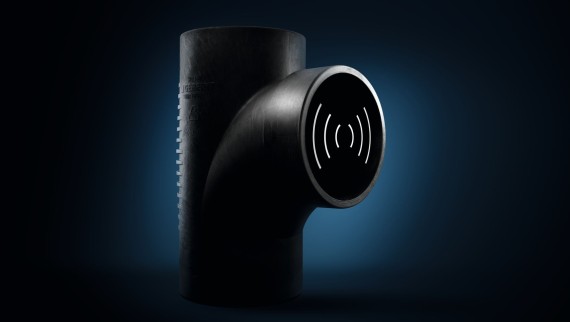
Geberit Silent-db20
From stacks to floor connections, the highly sound-insulating Geberit Silent-db20 drainage system offers an outstanding solution for projects with high sound insulation requirements.
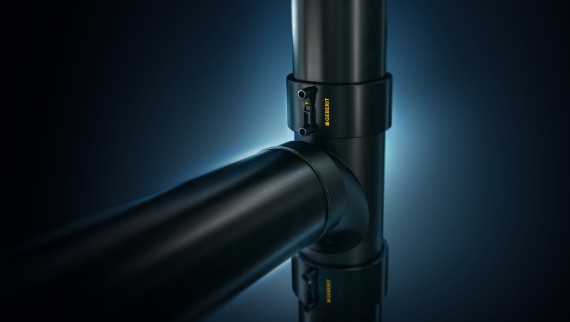
Geberit PE
Geberit PE is suitable for a wide range of drainage applications in technical building systems and industry thanks to its shockproof properties and resistance to chemicals.

Geberit Silent-PP
Geberit Silent-PP is a sound-optimised drainage plug-in system that offers a cost-effective alternative for projects with moderate sound insulation requirements.
All technical information about Geberit Energy Retaining Valve ERV can be found in our product catalogue
Licensors / Project sponsors
OEKAG WasserTechnik AG / Swiss Climate Foundation / Swiss Federal Office of Energy (SFOE)
Logos of the won awards
Logos of the won awards


